

The Aeon Herald / HISTORICAL EDITION
United Nations Adopts Declaration of Human Rights
The Paris vote sets a common standard of rights, though the declaration is not itself a binding treaty.
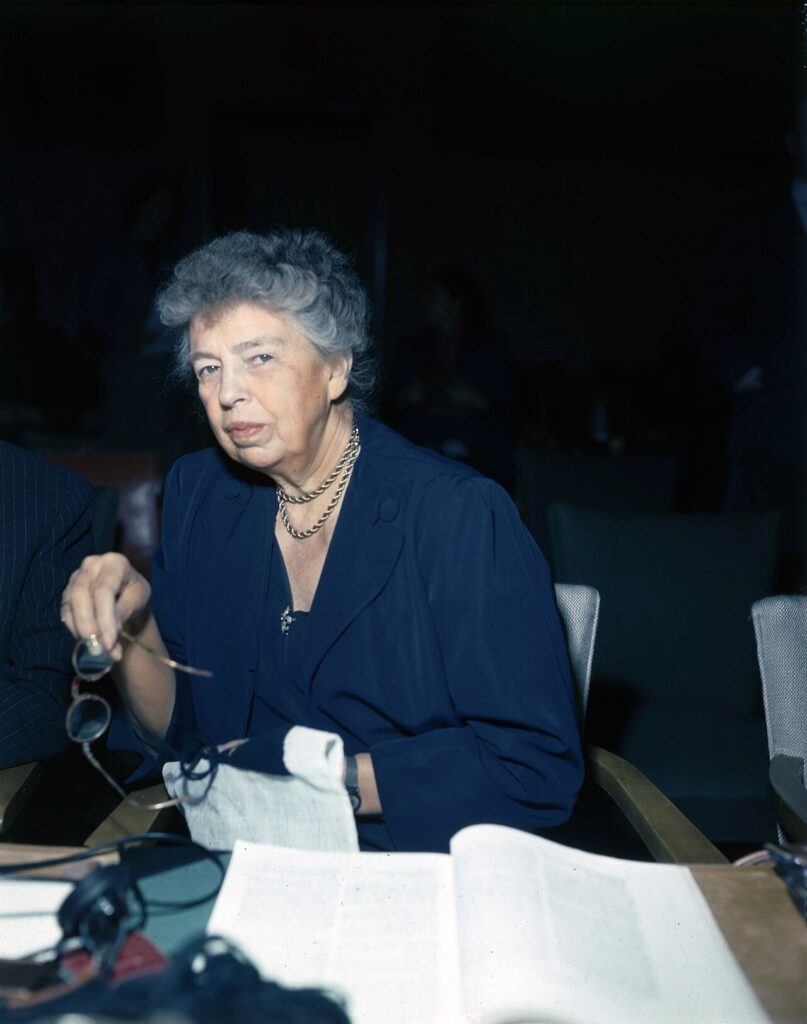
PARIS, Dec. 11.—The General Assembly of the United Nations yesterday adopted a Universal Declaration of Human Rights, setting before the world a statement of freedoms to which every person is entitled. Forty-eight delegations voted in favour. None voted against; eight abstained.
The declaration's thirty articles range from personal liberty and equality before the law to education, work and participation in public affairs. Mrs. Eleanor Roosevelt, who has chaired the Human Rights Commission, has played a leading part in the undertaking. The debates have reflected differences among governments as well as a determination to find language they can share.
The document is a declaration, rather than a treaty imposing immediate legal duties of its own. That distinction matters. Its adoption does not give an individual an international policeman to summon when a government violates a right.
It does give citizens and nations a standard against which conduct may be measured. After the crimes and displacements of the war, the Assembly has put the dignity of the individual into an unmistakably public account.
Sources & further reading
- Universal Declaration of Human Rights: text— United Nations General Assembly; December 10, 1948.
- Universal Declaration of Human Rights: procedural history— United Nations Audiovisual Library of International Law; introductory note by Antônio Augusto Cançado Trindade; original proceedings December 9–10, 1948; institutional resource undated.
- Eleanor Roosevelt and the Universal Declaration of Human Rights— National Park Service; undated institutional history.