

The Aeon Herald / HISTORICAL EDITION
Soviet Union Agrees to Remove Missiles From Cuba
An exchange between Kennedy and Khrushchev eases the immediate danger, with verification still to be arranged.
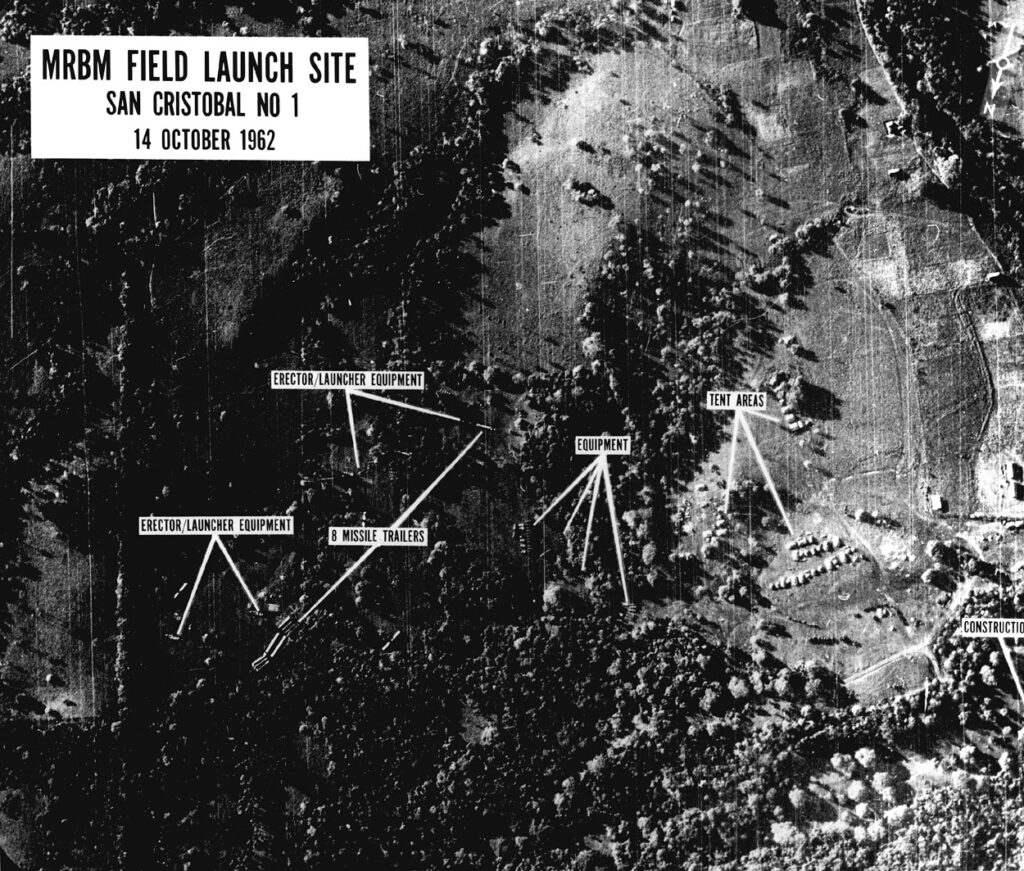
WASHINGTON, Oct. 29.—The Soviet Union has agreed to remove its offensive missiles from Cuba under an arrangement that has eased the immediate danger of a direct confrontation between the nuclear powers. President Kennedy has welcomed Premier Nikita Khrushchev's undertaking while stressing the need for effective verification.
The agreement follows days in which American surveillance disclosed missile installations, the United States imposed a naval quarantine and both governments faced the possibility that an encounter at sea or in the air could widen the crisis. A pledge against an American invasion of Cuba forms part of the publicly discussed settlement.
Important details remain unresolved. Dismantling, removal and observation must be carried out, and the Cuban Government has its own position on outside inspection. A reduction in danger is not the same as completion of the arrangements.
The past week has shown how rapidly military preparations and political deadlines can narrow the choices available to governments. Today's relief is considerable. It leaves a strong public interest in making certain that a similar confrontation does not again approach the point of nuclear war.
Sources & further reading
- Letter from Chairman Khrushchev to President Kennedy— Nikita Khrushchev, official TASS broadcast / John F. Kennedy Presidential Library; October 28, 1962.
- Message in Reply to a Broadcast by Chairman Khrushchev on the Cuban Crisis— John F. Kennedy / Public Papers of the Presidents; October 28, 1962.
- Aerial Photograph of Missiles in Cuba— U. S. Department of Defense / John F. Kennedy Library, National Archives; October 14, 1962 photograph; catalog reviewed July 2, 2026.