

The Aeon Herald / HISTORICAL EDITION
Fukushima Crews Battle Reactor Emergency After Tsunami
Japan confronts a nuclear crisis alongside the destruction caused by the March 11 earthquake and waves.
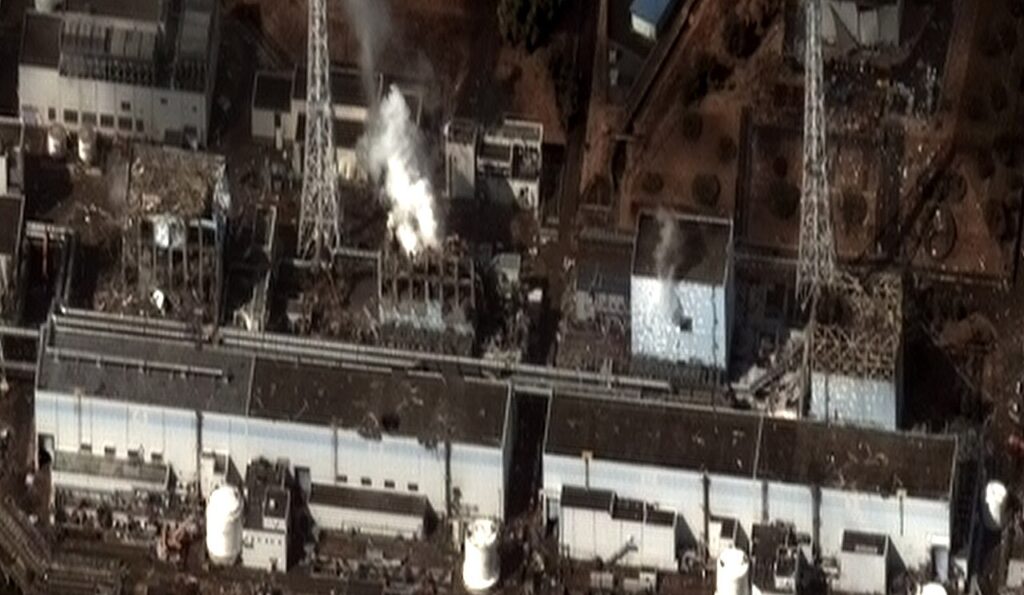
TOKYO, March 17—Crews at Fukushima Daiichi are struggling to cool damaged reactors and spent-fuel facilities after the earthquake and tsunami disabled essential systems. Explosions and radiation releases have deepened an emergency already overwhelming communities along Japan's northeastern coast.
The loss of electrical power and cooling has left the plant dependent on difficult improvised operations. The condition of the reactor cores and the extent of damage remain uncertain. Measurements and official assessments are changing as workers gain access and events develop.
Evacuation and shelter instructions have affected people already coping with disrupted transport, shortages and missing relatives. A radiation reading at one location cannot describe every person's exposure, and technical uncertainty should be reported without either false reassurance or extravagant prediction.
The disaster is a connected sequence: earthquake, inundation, loss of infrastructure and a nuclear installation in distress. Japan's immediate task is to protect people and stabilise the plant while sustaining relief across a much larger devastated region. The longer inquiry into design, preparedness and regulation will have to follow the evidence preserved during these days.
Sources & further reading
- Plant Status of Fukushima Daiichi, March 17 press-release register — Tokyo Electric Power Company, 2011-03-17.
- Federation of Electric Power Companies Update, March 17, 14:15 GMT, and Japan Atomic Industrial Forum Update, 12:30 GMT — Federation of Electric Power Companies of Japan / Japan Atomic Industrial Forum; reproduced by American Nuclear Society, 2011-03-17.
- The Fukushima Daiichi Accident: Report by the Director General — International Atomic Energy Agency, 2015.